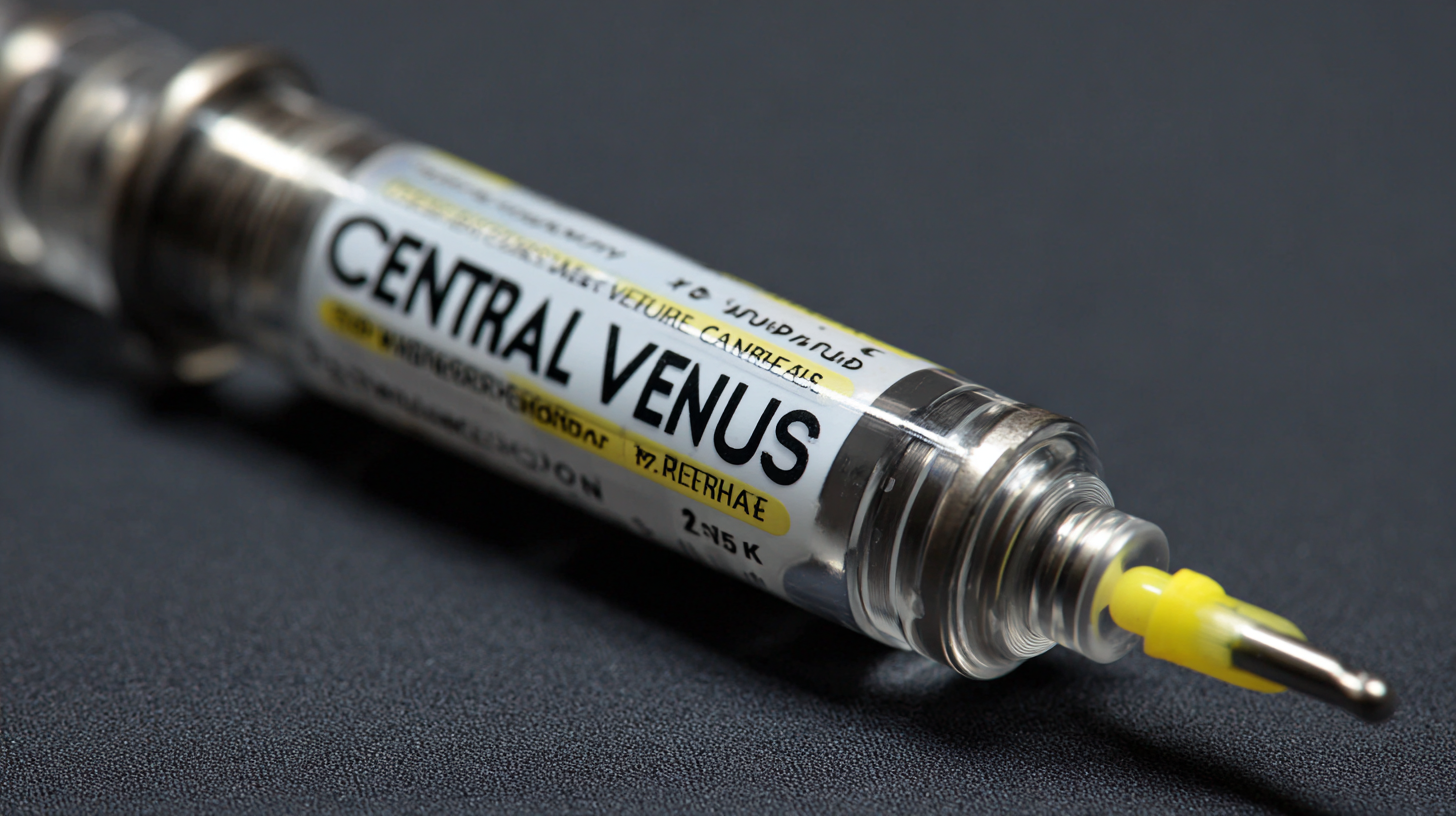
You know, in today’s fast-paced healthcare world, the Central Venous Catheter (CVC) has really become a game changer for tackling complex medical issues and improving patient care. I came across this recent report from the World Health Organization that forecasts the global CVC market will grow impressively at a rate of 7.2% per year. That really highlights just how much the demand is rising for dependable and efficient ways to access veins. Here at Tianck Medical CO., Ltd., we’re all about creating top-notch CVC products that not only fulfill regulatory standards but also cater specifically to what healthcare professionals and their patients need. We’re passionate about improving patient outcomes, which motivates us to keep innovating and delivering high-quality solutions. It’s exciting to think about how our work contributes to better healthcare, not just here but all around the world. As we dive into the technical details and usage guidelines for the best CVCs, getting a solid grasp of their design and functionality is key for optimizing patient care and achieving clinical success.
Common Issues Encountered with Central Venous Catheters
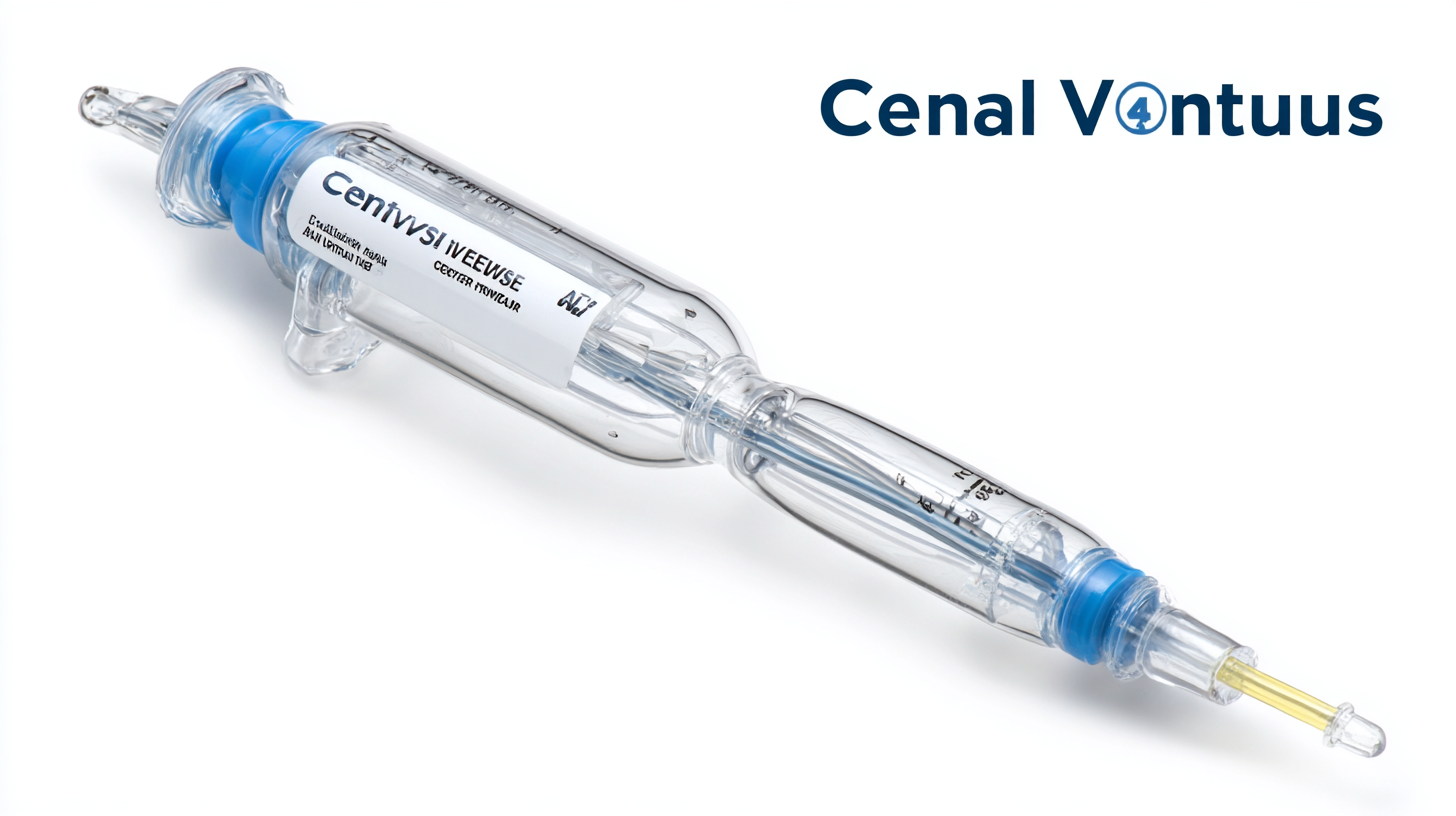
You know, central venous catheters (or CVCs) for short are pretty much lifesavers in modern medicine. They're specifically made for long-term intraVenous Access, which is super important. But, let’s be real—using them does come with some challenges that healthcare pros have to deal with. One biggie is catheter-related infections, which can happen if proper cleaning techniques aren’t followed during insertion or maintenance. It’s really key to spot and address signs of infection, like redness, swelling, or even fever, because patient safety is, like, the number one priority. Keeping an eye on the site and sticking to established protocols can really help lower that risk.
Then there’s the hassle of catheters getting placed incorrectly. When that happens, it can cause all sorts of headaches, like poor blood flow or even damage to nearby vessels. To avoid that kind of trouble, it's important for healthcare providers to know their anatomy well and use imaging tech when they need to. And let's not forget about occlusions—those pesky clots can form and block medication delivery, which is super uncomfortable for patients. Regularly flushing CVCs and keeping a tight schedule for replacements is essential to make sure these devices work like they’re supposed to. By understanding these common issues, we can definitely work towards better outcomes for patients who need central venous access.
Understanding the Types of Central Venous Catheters and Their Applications
You know, central venous catheters (CVCs) are pretty much indispensable in today’s medical world. They’re key for giving patients long-term IV access, helping with medication delivery, and keeping an eye on heart function and blood flow. There are several types of CVCs out there, like Tunneled Catheters, non-tunneled ones, and then there are PICCs, or peripherally inserted central catheters. Each type has its own unique features that fit different situations – for instance, some are better for cancer patients who need ongoing treatment, while others are great for short-term use in critical care situations.
On another note, the market for peripheral intravenous catheters (PIVCs) is really booming right now! Analysts are predicting some serious growth in market size and competition in the upcoming years. PIVCs play a super important role in providing medications and fluids, especially in outpatient settings. As healthcare keeps evolving, it’s so important for us to really understand the different types of CVCs and PIVCs, along with when to use each one. This knowledge is crucial for improving patient outcomes and making healthcare delivery more efficient.
Preventive Measures to Avoid Complications with CVCs
You know, central venous catheters (CVCs) are pretty crucial in today’s healthcare scene. They help with really important stuff like chemotherapy, long-term antibiotic treatments, and even delivering nutrients. However, using CVCs isn’t totally risk-free. That’s why it’s super important to take preventive measures to dodge any complications like infections or blood clots. Healthcare pros really need to focus on using the right insertion techniques, sticking to aseptic protocols, and keeping an eye on things regularly to reduce any possible risks tied to CVCs. By following these guidelines, they can really boost patient safety and make treatment more effective.
Here at Tianck Medical Co., Ltd., we totally get how vital precision-engineered solutions are in the medical field. We’re all about enhancing patient outcomes, so we work hard to create innovative products that cater specifically to what medical professionals need. With CVC technology always evolving, we’re excited to offer state-of-the-art equipment that not only makes insertion easier but also has features designed to cut down on complications. By honing in on both tech advancements and strict safety protocols, we’re empowering healthcare workers to provide top-notch care while keeping patient well-being at the heart of everything they do.
Best Practices for Effective Insertion and Maintenance of CVCs
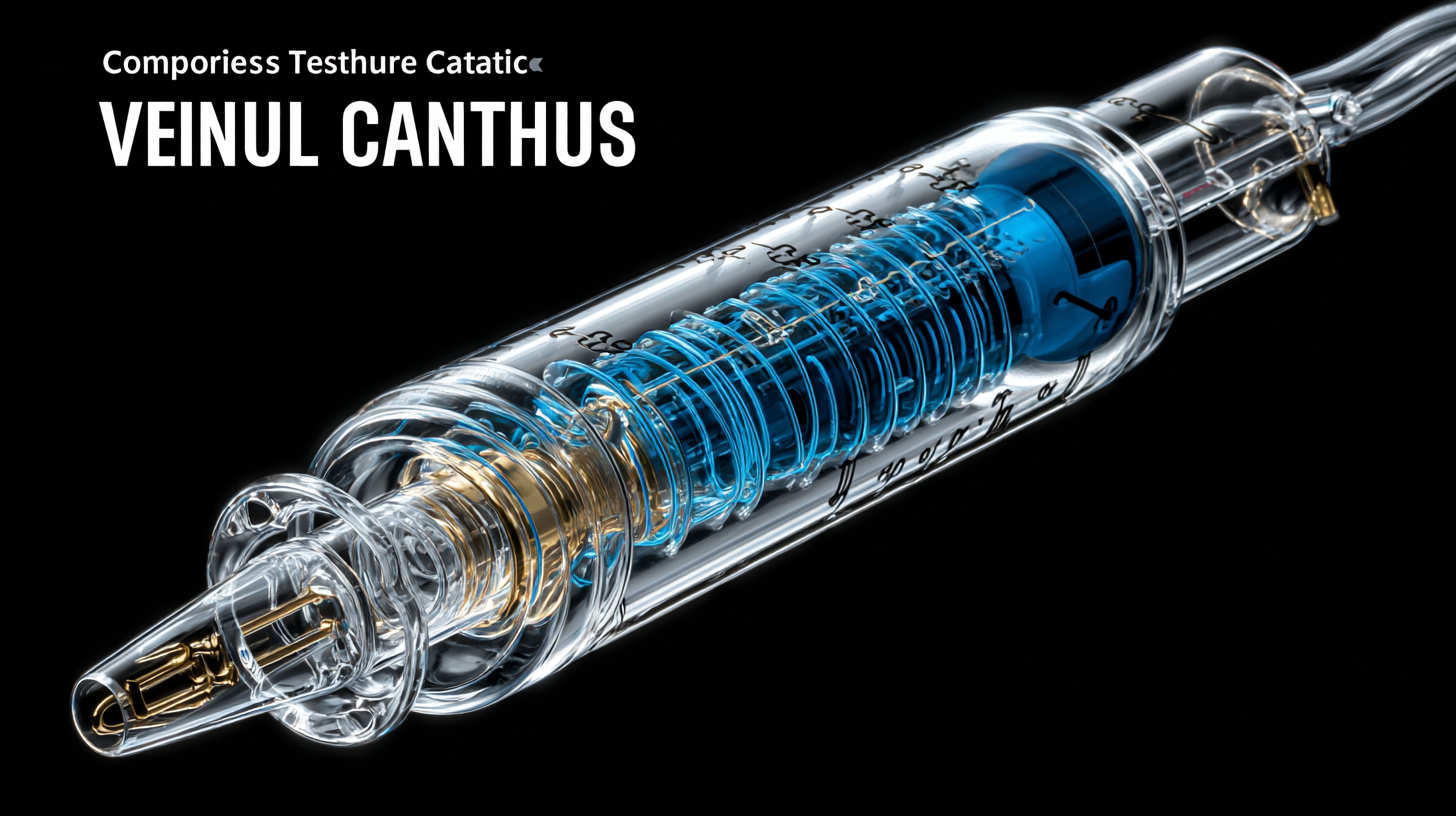
You know, central venous catheters, or CVCs as we call them, really play a huge role in today’s medical care. They make it possible to deliver medications, fluids, and even nutrition straight into the central venous system, which is pretty amazing. But, here's the thing: getting them in right and keeping them maintained is super important to avoid nasty complications like infections or blood clots. There’s actually a study in the Journal of Vascular Access that says if we stick to strict aseptic techniques during the insertion and use ultrasound guidance, we can cut down catheter-related bloodstream infections by up to 60%. How cool is that?
When it comes to best practices for inserting CVCs, having a solid, organized protocol is key. Clinicians really need to focus on good hand hygiene and make sure they're using sterile equipment. A recent report from the CDC emphasizes that we shouldn’t overlook bundles that include maximal barrier precautions, antiseptic use, and the right care of the catheter site. These are crucial in keeping infection rates low. Plus, keeping up with regular site assessments and changing catheters as needed is just smart—it really boosts patient safety and overall outcomes. It's also super important for healthcare professionals to get ongoing education and training in these areas to keep our standards high. Overall, it’s all about teamwork and diligence to make sure our patients are safe and well-cared for.
How to Identify and Manage CVC-Related Infections
Hey there! So, you know those central venous catheters (CVCs)? They’re super important for getting meds and fluids into critically ill patients. But here’s the thing: they come with a real risk of infections, and that can lead to some pretty serious complications. In fact, if we look at the data from the CDC, about 25% of infections related to CVCs can actually be fatal. That really drives home how crucial it is to have solid infection management protocols in place. Spotting these infections early is key, so we need to keep a close eye on things—like watching for any fever, an increased heart rate, or inflammation around the insertion site.
Quick tips: Always make sure to clean the CVC insertion site properly with antiseptic and then cover it with a sterile dressing. Don’t forget to check the site regularly for any signs that something might be off. And hey, maintaining good hand hygiene among healthcare staff can really cut down the chances of those pesky CVC-related infections.
When it comes to tackling those infections, it’s super important for healthcare teams to follow a standard protocol for taking care of the catheters. This means swapping out the dressing at least once a week and using chlorhexidine for disinfection. According to the National Healthcare Safety Network, if we implement a comprehensive central line insertion bundle, we might see infection rates drop by up to 50%! Getting the staff educated on these guidelines is definitely a step in the right direction for better patient outcomes and safer care environments.
A couple more tips: Make it a point to hold regular training sessions for healthcare staff about infection prevention strategies for CVC care. Oh, and using a checklist during the catheter insertion can help remind everyone about those important infection control steps.
Comparative Analysis of CVC Types and Their Specific Challenges
Hey there! So, let's talk about central venous access devices, or CVADs for short. You might know them as central venous catheters (CVCs) and peripherally inserted central catheters (PICCs). These little guys are super important when it comes to managing patients, especially those who need long-term IV therapy. Each type has its own set of quirks and guidelines, which is pretty vital to grasp if we want to keep patients safe and make sure their treatment works effectively.
Now, when it comes to CVCs, there are definitely a few hiccups that can pop up, depending on the type and how they’re put in. For example, if you place a traditional CVC in the subclavian vein, the risk of complications like infections or blood clots can go up compared to when it’s inserted in the internal jugular vein. On the flip side, PICCs are often easier to place and less invasive, making them a great option for outpatient care. But don’t get too comfortable—they come with their own set of challenges too, like possible occlusions or maintenance headaches. Getting a handle on these little details is super important for healthcare providers. It helps them make smarter choices and really boosts patient care when it comes to managing central venous access.
FAQS
: Central venous catheters (CVCs) are used for essential venous access, facilitating therapies such as chemotherapy, long-term antibiotic treatment, and nutrient delivery.
Common complications associated with CVCs include infections and thrombosis.
The risk of CRBSIs can be reduced by up to 60% by following strict aseptic techniques during insertion and utilizing ultrasound guidance.
Essential practices for effective CVC insertion include proper hand hygiene, using sterile equipment, and adhering to a well-organized insertion protocol.
The CDC recommends implementing bundles that include maximal barrier precautions, antiseptic use, and proper catheter site care to minimize infection rates.
Continuous education is important to maintain high standards of care and ensure healthcare professionals are updated on best practices for CVC insertion and maintenance.
A maintenance regimen for CVCs should include regular site assessments and prompt catheter replacements according to established guidelines.
Innovative technology in CVCs aims to simplify insertion processes and reduce complication rates, improving patient outcomes and safety.
Healthcare professionals play a crucial role in the insertion and maintenance of CVCs, ensuring adherence to safety protocols and enhancing patient care.
Aseptic techniques are vital in CVC management as they help minimize the risk of infections and other complications related to catheter use.