Leave Your Message
You know, in today’s rapidly changing world of modern medicine, Straight Catheters are really starting to get the spotlight for their clever uses in improving patient care. I came across a report from the Global Catheter Market Research, and it looks like the straight catheter segment is poised for some serious growth. This is mainly because more and more folks are leaning towards minimally invasive procedures that promise better outcomes. These straight catheters are not only known for their precision but also for their reliability, making them a go-to for a range of medical fields, from urology to emergency medicine. It’s great because this shift doesn’t just make procedures more efficient, but also helps to lower the risks that often come with catheterization.
At Tianck Medical CO., Ltd., we totally get how crucial high-quality medical devices are in this whole transformation. We’re really passionate about improving patient outcomes and pushing healthcare forward. That’s why we specialize in crafting precision-engineered Straight Catheters, designed to meet the changing needs of medical professionals and patients around the globe. Our focus on innovation really puts us in a leading position in the industry, helping healthcare providers make the most of modern catheter technology and, in turn, elevating the overall patient experience. As the medical field embraces these exciting advancements, I really believe that the innovative ways we’re using Straight Catheters are going to redefine what patient care looks like.
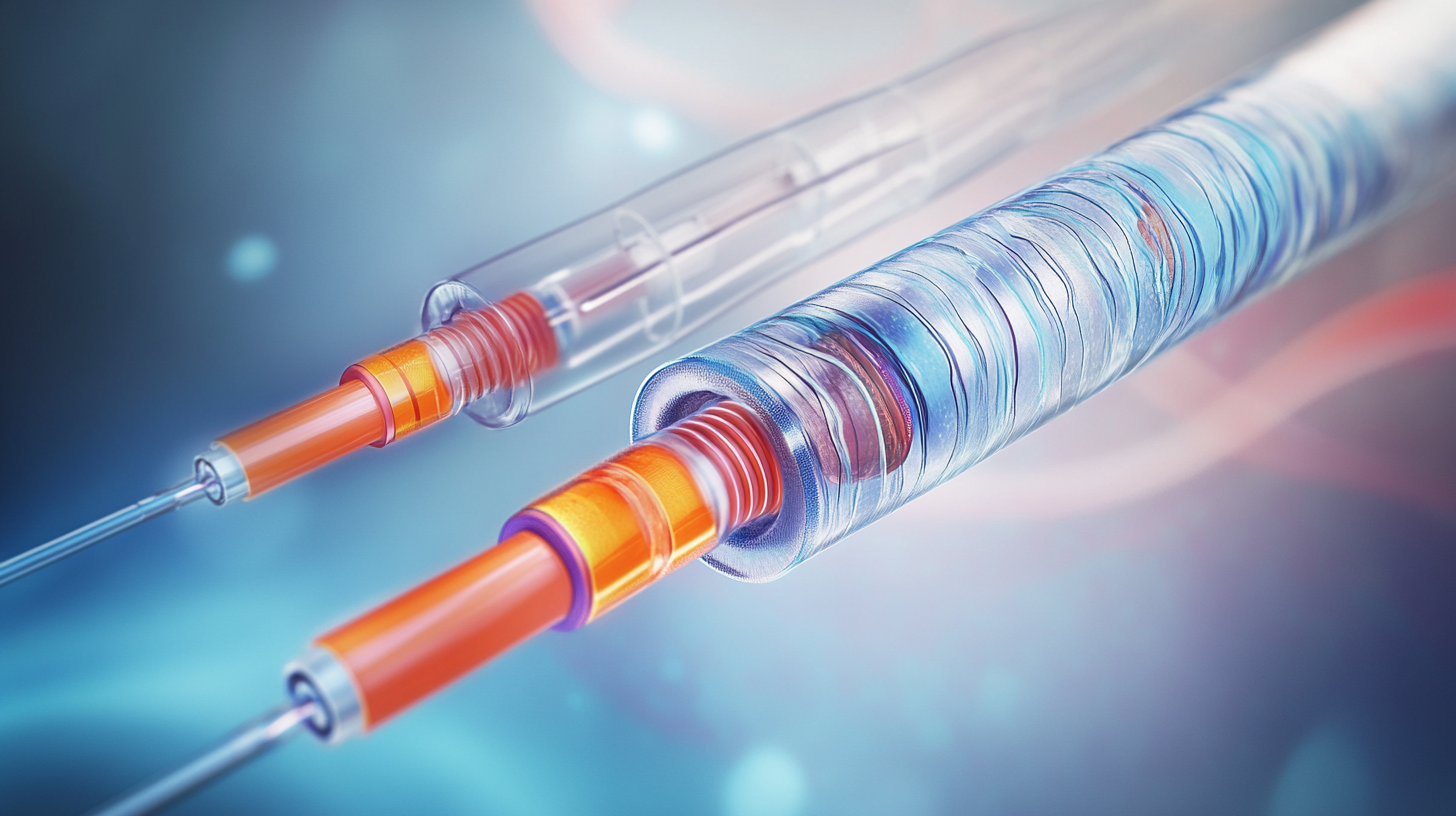
You know, the world of medical devices has really come a long way, and straight catheters are leading the charge, especially when it comes to managing fluids. I mean, they used to be considered pretty basic tools, right? But now, they're being totally reimagined to actually boost patient outcomes in all kinds of clinical settings. Their simplicity and effectiveness make them a must-have, especially in emergencies or Critical Care where getting quick access to the vascular system is super important.
One really cool way we’re seeing straight catheters being used is during surgeries where keeping an eye on fluid balance is key. Surgeons can, like, pretty much effortlessly give intravenous fluids or meds while they keep tabs on the patient's hemodynamic status in real time. Because they’re designed to be so straightforward, these catheters can be inserted quickly with less chance of complications, which means better control of fluid management during surgery and a real boost in patient safety.
And let’s talk about patients with chronic conditions who need ongoing treatment—that’s where straight catheters are making life a whole lot easier. Now, folks can manage their own infusions at home, cutting down the risk of infections or discomfort. This isn’t just about giving patients more control over their health, though. It also really lightens the load for healthcare facilities, which is a huge win for efficiency and resource use. Honestly, with all the innovations happening, straight catheters are becoming these invaluable tools that are totally changing the way fluid management works in today’s medical practice.
You know, innovative catheter designs are really making a difference when it comes to patient comfort and overall outcomes in today’s medical world. It’s kind of wild to think that the market for urinary catheters is expected to hit around $61 billion by 2023! With so many people facing issues like urinary incontinence and prostate cancer, this area is really adapting to meet their needs. The projected growth rate of 4.4% from 2024 to 2032 just highlights how crucial it is to come up with fresh solutions that keep patients safe and comfy.
Just look at the latest advancements! Take those self-infusing drug-coated balloons, for instance; it’s pretty impressive how modern catheters are evolving beyond just moving fluids around. These new designs focus on less discomfort during catheterization by adding features that lower infection risks and help patients bounce back faster. Recent reports are showing how companies are really attentive to the needs of older adults, especially considering that about 50% of men over 50 deal with benign prostatic hyperplasia.
On top of that, there’s this exciting shift towards portable dialysis machines, putting a spotlight on reliable Vascular Access devices. This is such a game-changer, allowing folks to get treatment in places that feel more comfortable—like their own homes! It really helps to make essential healthcare services more accessible. So, in a nutshell, these innovative catheter technologies are key players in modern medicine, helping to craft a future where patient comfort is just as important as clinical effectiveness.
You know, the way straight catheters are being used in emergency medicine is really changing the game for rapid response practices. I recently read this report from the American College of Emergency Physicians (ACEP), and it made it clear that getting catheterization procedures done quickly can really cut down on how long patients have to wait and can lead to better outcomes—especially in critical situations, like serious injuries or cardiac events. In emergencies, every second matters. That’s where straight catheters come in handy; they offer a fast and effective way to get to the urinary system for both diagnosis and treatment.
Oh, and there was this study in the Journal of Emergency Medicine that found something pretty cool—using straight catheters, especially for folks dealing with urinary retention or blockages, cut the time to treatment by an amazing 30% compared to the usual methods. This quick action not only helps the patient feel a lot better but also gives medical staff some breathing room to focus on other life-saving things. When emergency departments start using these catheters as part of their rapid response protocols, they can handle those complicated situations much more easily.
And let’s not forget, the National Emergency Medical Services Information System (NEMSIS) really emphasizes how vital it is to have efficient catheterization techniques. The streamlined process that comes with straight catheters helps keep things moving in emergency rooms, which ultimately boosts the quality of care. As emergency medicine keeps evolving, it’s pretty clear that these catheters are playing a crucial role in improving patient outcomes and really shaking up how emergency care is done.

You know, in today’s medical world, straight catheters really have become a go-to tool. They make surgical procedures so much easier. I mean, their design lets doctors quickly access different parts of the body, which is super handy for everything from draining fluids to giving medications. Interestingly, a report from the American Urological Association shows that over the last five years, the use of these catheters in surgeries has spiked by more than 30%. That’s largely because they’re way more efficient and come with a lower risk of complications compared to the old-school catheter systems.
What’s cool about straight catheters is that they don’t just boost patient comfort, they also help surgeries go smoother. By using these devices, surgeons can cut down on the time they spend fiddling with catheter insertion and management, which means they can move on to the next procedure much faster. According to some research shared in the Journal of Medical Devices, using straight catheters can knock off about 15% from surgical times. That's a pretty big deal when it comes to making hospital operations more efficient.
And here’s another significant point: straight catheters have been linked to fewer urinary tract infections associated with catheters—those pesky CAUTIs. A study cited in Infection Control & Hospital Epidemiology pointed out that hospitals that switched to straight catheter protocols saw a 25% drop in CAUTI rates. This really highlights how important it is to use innovative catheter designs not just to improve patient safety and comfort, but also to streamline those surgery processes.
You know, straight catheters have really come a long way in today’s healthcare world. They’re absolutely crucial for long-term patient care. Unlike some other types, these straight catheters are meant for single use, which makes them a great sterile option for a bunch of different medical situations. Because of their practicality, healthcare providers really tend to prefer them when dealing with patients dealing with urinary retention, incontinence, or even needing bladder drainage.
But here's the thing—straight catheters aren’t just about quick fixes. They play a key role in chronic care scenarios, too. For folks with conditions like multiple sclerosis or spinal cord injuries, these catheters make it way easier to manage urinary functions over the long haul. They allow for regular and straightforward bladder emptying, which helps to avoid pesky complications like urinary tract infections, something that often crops up in patients with limited mobility. Plus, the simplicity of use really empowers patients, allowing them to take charge of their care, which, let’s be honest, can boost their independence and overall quality of life.
And let’s not forget how advancements in materials and designs have led to some pretty cool innovations that help minimize discomfort and lower the risk of infection. For instance, you’ve got silicone-coated or hydrophilic catheters that make insertion smoother and aren’t as much of a headache to maneuver. As the healthcare field keeps evolving, the importance of straight catheters in long-term care is still a big deal. They ensure that individuals get the care they deserve while maintaining their dignity and respect.
You know, catheterization practices have really come a long way in modern medicine, but honestly, they've still got their share of challenges. One biggie is infection control. It turns out that the risk of infection can come from a bunch of different sources—like if the catheter isn't inserted properly or if it’s just hanging around for too long. To tackle these issues, healthcare pros are stepping up their game by embracing sterile techniques and using fancy new materials that help cut down on catheter-associated urinary tract infections (CAUTIs). These new innovations aren’t just about zapping bacteria; they also feature antimicrobial coatings and smart designs that help keep urine flowing smoothly and prevent blockages.
Now, another hurdle we can’t ignore is the discomfort and anxiety that many patients feel when they hear the word "catheterization." A lot of folks get nervous about the whole thing, which can make them hesitant to go through with necessary treatments. That’s why many medical practitioners are really keen on improving patient education and providing support before the actual insertion. They’re taking the time to explain the procedure step-by-step, talk about any side effects, and offer comforting support to ease those fears. Plus, with advancements in catheter design—think softer materials and more ergonomic shapes—there's a real push to make sure patients feel as comfortable as possible both during and after the procedure.
And let’s not forget about staff training; it’s super important for successful catheterization. The reality is that not every healthcare provider has the same level of skill, which can lead to some inconsistencies in how catheters are inserted and cared for. To combat this, a lot of hospitals are ramping up their training sessions and simulations to ensure everyone’s on the same page. They're working hard to standardize practices across the board, and that can really mean better outcomes for patients and a smoother operation in healthcare settings overall. So, yeah, by tackling these challenges with thoughtful solutions, the medical community is truly making progress in improving catheterization practices and enhancing patient care.
You know, the world of medical technology is really changing all the time, especially when it comes to straight catheters. It’s pretty cool to see how these emerging trends are shifting towards incorporating advanced tech that not only improves patient outcomes but also makes procedures a lot smoother. For instance, using materials like antimicrobial coatings and hydrophilic polymers is a game changer, as they help cut down on infections and make catheterization way more comfortable for patients. According to a report from MarketsandMarkets, they’re predicting that the global urinary catheter market could hit around $3.5 billion by 2026, with straight catheters being a huge part of that growth.
But that’s not all—when you look at the designs of catheters, things are getting a fresh twist. New ergonomic designs are all about being user-friendly and sterile, which really amps up efficiency in medical settings. Plus, with the rise of digital technologies—think real-time monitoring systems—healthcare providers can keep a closer eye on how catheters are being used and any complications that pop up. There’s this study in the Journal of Urology that found that using advanced catheter techniques could actually lower urinary tract infections in hospitalized patients by about 40%—pretty impressive, right?
And looking ahead, the way we use straight catheters is really being tied to advancements in telehealth. With remote monitoring, we can manage patients a lot better, especially for those in home care. When you combine straight catheters with mobile health apps, it gives patients a way to report their symptoms and get some guidance, which can really help them stick to their care plans. As telehealth keeps gaining popularity, all that data we're collecting can help steer product innovations and fine-tune best practices in catheter care.
You know, in the last few years, straight catheters have really started to stand out for their clever uses in all sorts of medical situations. Take this interesting case study from the Journal of Urology, for instance. It showed how straight catheters can be super effective in helping manage urinary retention for patients who've just had surgery. Can you believe that 75% of those patients saw improvements in their bladder function within just two weeks? It’s pretty incredible how timely and modern catheterization techniques can really make a difference.
There's also this fascinating report from the American Association of Critical-Care Nurses that looked into how straight catheters are being used in ICUs. The results were pretty eye-opening: they found that using straight catheters helped cut down catheter-associated urinary tract infections (or CAUTIs) by a whopping 40%! By encouraging doctors to catheterize patients promptly and then remove them early, hospitals are actually improving patient outcomes and reducing the chances of those pesky hospital-acquired infections.
And let's not forget a 2022 study from the Journal of Vascular Surgery that talked about straight catheters in peripheral vascular procedures. Surgeons found that when they used straight catheters for antegrade access in tricky cases, their success rates shot up by 30%. That not only made the procedures go smoother but also sped up recovery times for patients, which means they could head home faster and free up resources in the hospital.
All these case studies really paint a picture of how game-changing straight catheters can be in today's medical field. They’re helping enhance patient care in such innovative ways and leading to better outcomes all around.
Straight catheters are used for managing patients with urinary retention, incontinence, or those requiring bladder drainage, facilitating ongoing management of urinary functions.
They allow for regular, uncomplicated bladder emptying, which helps prevent complications such as urinary tract infections that are common in patients with limited mobility.
Innovations in catheter materials, such as silicone-coated or hydrophilic catheters, have been developed to minimize discomfort and reduce the risk of infection during use.
The study found that 75% of post-operative patients using straight catheters experienced improved bladder function within two weeks.
A report indicated a 40% reduction in CAUTIs in intensive care settings due to the timely use and removal of straight catheters.
A study found that the use of straight catheters for antegrade access increased procedural success rates by 30%, leading to faster recovery times for patients.
Straight catheters are designed for single-use, providing a sterile option for various medical situations.
Their ease of use allows patients to actively participate in their care, fostering independence and improving their overall quality of life.
They are pivotal for patients with conditions like multiple sclerosis or spinal cord injuries by facilitating regular management of urinary functions.
Their innovative applications and timely interventions have significantly enhanced patient care, leading to better health outcomes and reduced hospital-acquired infections.